Design Ops Explained: How to Scale a Design Team Without Chaos
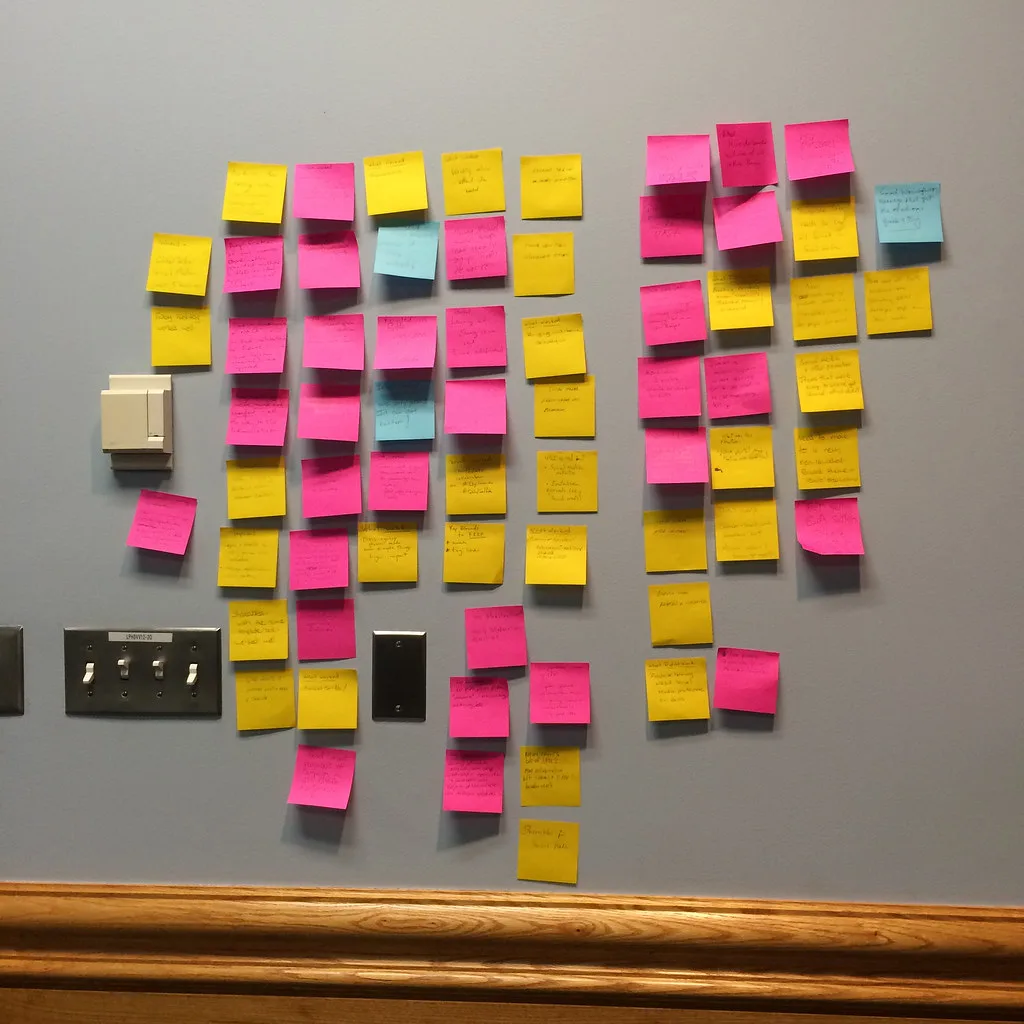
Design ops is what stops a growing design team from drowning in everything that is not design. As a team scales, more and more time gets eaten by finding files, chasing approvals, arguing over which tool to use, onboarding new hires and answering the same process questions on repeat. Design ops, short for design operations or DesignOps, is the discipline of fixing that so designers can spend their hours on research and craft rather than logistics. This guide explains what design ops actually covers, when a team is big enough to need it, what a DesignOps manager does day to day, and how to introduce it without adding yet another layer of bureaucracy.
What design ops means
The Nielsen Norman Group, which did more than anyone to define the term, describes DesignOps as the orchestration and optimisation of people, processes and craft to amplify design’s value and impact at scale. Strip the jargon and it comes to this: design ops is everything that makes the design function run reliably, so the design itself can be good. It is not a new kind of design. It is the plumbing underneath it.
In practice that plumbing falls into three buckets. First, how the work works: standard workflows, clear handoffs to engineering, review gates, and rituals like critiques that happen on schedule rather than by accident. Second, how the people work: hiring plans, onboarding, career frameworks, and protecting designers’ time from meeting sprawl. Third, how the craft works: maintaining the design system and Figma libraries, managing tool licences, and keeping research operations running so studies can be booked and recruited without a fire drill each time. NN/g’s DesignOps 101 guide breaks these down in more detail and is the best free primer available.
When do you actually need design ops?
The honest answer is that you need the mindset far earlier than you need a dedicated person. A team of five designers still benefits from a shared file structure, a naming convention and a documented handoff, and one senior designer usually absorbs that work informally.
The tipping point for a dedicated role tends to arrive somewhere around 40 to 50 designers, or once design supports three or more separate product lines. Below that, a part-time or embedded approach is usually enough. Above it, the coordination cost grows faster than the team, and the informal owner burns out or quietly stops designing. If you notice that your best designers are spending a day a week on process, that tool decisions keep getting relitigated, or that every new hire takes months to become productive, those are the signals, not the raw headcount.
What a DesignOps manager does
A DesignOps manager is a strategic operations role, not a design manager and not a project manager, though it borders both. A design manager owns the people and the quality of the work; a DesignOps manager owns the system those people work inside.
Day to day, the job includes defining and documenting the design process, coordinating workflows across design, product and engineering, and acting as the liaison that keeps those groups aligned. It also covers the unglamorous but high-leverage work: managing tool licences and budgets, owning the health of the design system, running research operations, planning onboarding, and tracking a handful of metrics that show whether the function is getting faster and more consistent over time. The point of all of it is singular: remove friction so designers can focus on designing. NN/g’s DesignOps FAQ is a useful reference if you are writing the job description.
Centralised, embedded or hybrid
There are three common structures, and the right one depends on your size and how your product teams are organised.
A centralised model puts one design ops team in charge of standards, tools and governance for the whole organisation. It gives consistency but can feel remote from the teams it serves. An embedded model places ops people inside individual product teams, close to the work but at risk of each team drifting into its own way of doing things. A hybrid model, which most larger organisations settle on, uses a small central team to set the standards and embedded people to apply them in daily work. Start centralised when you need to establish order, then embed as the team grows and local needs diverge.
How to introduce design ops without the chaos
The mistake teams make is treating design ops as a governance layer that shows up to enforce rules. Introduced that way it adds friction instead of removing it. A better sequence looks like this.
Start by finding the biggest, most repeated source of pain and fixing only that. If designers waste hours hunting for the latest file, standardise the file structure and naming first. If handoffs to engineering keep breaking, define one clear handoff format and a review gate. Make the new process visible and genuinely repeatable, so anyone can follow it without asking, then measure whether it saved time. Only once a fix has proved itself should you move to the next problem.
Onboarding is usually the highest-return early investment, because it compounds with every hire. A simple 30-60-90 day plan, a buddy, and a documentation library covering the team’s tools and design principles will get new designers productive in weeks rather than months. From there, expand into the design system, research operations and tooling as the team grows.
Above all, keep design ops in service of the work. Every process you add should let designers spend more time designing, not less. If a rule does not do that, cut it. For related reading, see our guides to how to write a design brief, what digital product design is, and the user experience manager role that design ops often partners with.
Frequently asked questions
What is design ops in simple terms? Design ops is everything that makes a design team run smoothly except the design itself: workflows, handoffs, hiring and onboarding, tool and licence management, and maintaining the design system. Its purpose is to remove friction so designers can spend more time on research and craft.
What is the difference between design ops and a design manager? A design manager leads people and is accountable for the quality of the design work. A design ops manager owns the system those people work inside: the processes, tools and standards. One focuses on the designers and the output, the other on making the whole function efficient and consistent.
When does a company need a dedicated DesignOps role? Most teams create a dedicated role around 40 to 50 designers or when design supports three or more product lines. Before that, the work is usually absorbed by a senior designer part time. Clear signals to hire include designers losing a day a week to process, repeated tooling arguments, and slow onboarding.
Is design ops only for large companies? No. Large teams need a dedicated person, but the design ops mindset helps at any size. Even a team of five benefits from a shared file structure, a documented handoff and a simple onboarding plan. Small teams just apply these lightly rather than hiring for them.
What tools does a design ops team manage? Typically Figma and its component libraries, the design system, research and user-testing tools, project and workflow tools, and the licences and budgets behind them. The team defines how these tools connect design to development rather than just buying software.
How do you measure whether design ops is working? Track a small number of outcomes rather than activity: how quickly new designers become productive, how long handoffs and reviews take, how consistent the output is across teams, and how much of designers’ time goes to actual design versus overhead. Improvement in those figures is the proof.
More from Experimento
related resultsBest A/B Testing Tools in 2026, Compared by What They Actually Do
A practical 2026 comparison of the best A/B testing tools by what each one is actually good at, from Optimizely and VWO to GrowthBook and PostHog.
read result →A/B Testing Tools Compared: Which Platform Fits Your Team
A/B testing tools compared for 2026: VWO, Optimizely, AB Tasty, Convert, GrowthBook, Statsig and PostHog, matched to marketing, CRO and engineering teams.
read result →Data-Driven Design: Let Research Guide Your Product Decisions
A practical guide to data-driven design: how to pair analytics with user research, run honest tests, and make product decisions on evidence, not opinion.
read result →